Greenville's tree stock and what it means for removal
Greenville County sits where the South Carolina Piedmont rises into the Blue Ridge foothills, and its residential canopy reflects that transition. The inner neighborhoods — Augusta Road, North Main, the old mill villages of West Greenville — carry mature water oaks, willow oaks, and tulip poplars that have been sizing up for decades. Some reach four feet across the trunk and stand taller than any structure on the lot. The expanding suburbs ringing the city — Five Forks, Simpsonville, Mauldin, Travelers Rest — were carved from wooded lots and remain thick with loblolly pine, sweetgum, and younger hardwoods growing in close proximity to new construction.
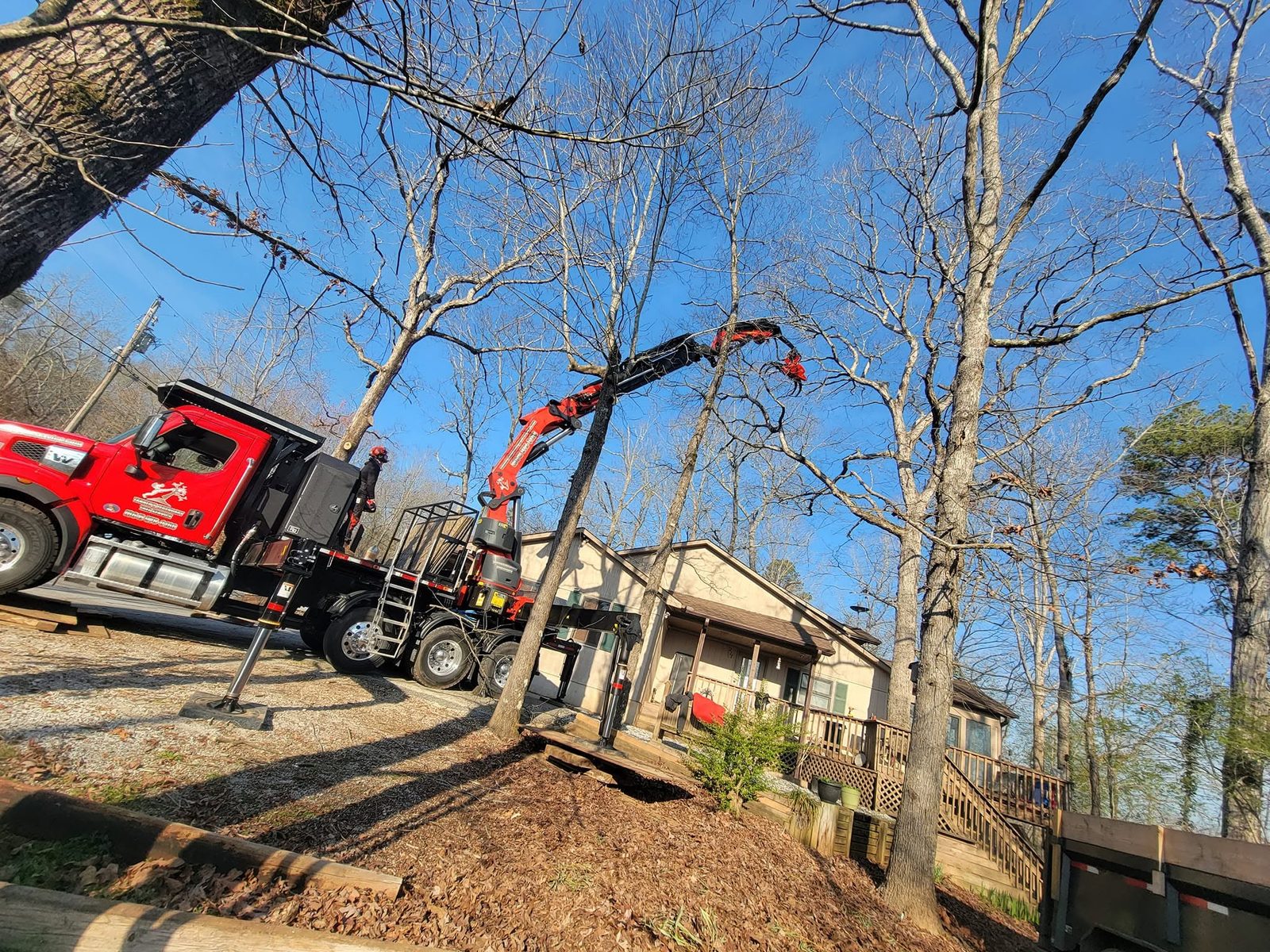
Both situations generate removal calls, and they do not cost the same. A large water oak dropping limbs onto an older bungalow on a narrow city lot is a rigging and crane job. A stand of storm-damaged pines leaning toward a fence line in a newer subdivision is a different scope entirely. The access picture, the drop zone, and the crane-or-no-crane decision all change depending on which part of Greenville County you are in. That is not a question a phone estimate can answer — it is what site visits are for.
For a full breakdown of what drives the final number, the tree removal cost guide covers every major variable from trunk diameter to access conditions.
What removal jobs cost in Greenville County
Most tree removal in Greenville County lands between $300 and $2,000 per tree. That range is wide because the job variables are wide: a 20-foot ornamental pear in an open backyard and an 80-foot water oak overhanging a sunroom are both tree removal, but they share almost nothing in terms of equipment, crew time, or complexity. The table below maps common job types to realistic Upstate SC cost ranges.
| Scope | Typical size | Greenville range |
|---|---|---|
| Small tree, open access | Under 25 ft | $300 – $500 |
| Medium tree, standard yard | 25 – 50 ft | $500 – $900 |
| Large tree, good access | 50 – 70 ft | $900 – $1,500 |
| Large tree, tight access or near structure | 50 – 75 ft | $1,200 – $2,000 |
| Hazardous tree, crane or rigging required | Any size | $2,000 – $3,000+ |
| Emergency same-day response | Any size | Add 20–50% to base scope |
Jobs at the top of that table represent the segment where Greenville's aging inner-city canopy creates its own category. A storm-split oak that has been declining for years does not come down cleanly — it goes in sections, often with rope systems or a lift, and the debris volume is substantial. These jobs regularly exceed $2,000 once crane mobilization and haul-away are accounted for.
Upstate storms and the emergency removal calendar
Greenville is not in a direct hurricane corridor, but tropical systems track inland across South Carolina and lose altitude gradually over the Upstate. Their remnants, combined with the severe thunderstorms that characterize spring and summer in the foothills, are responsible for most of the county's emergency tree calls. Greenville County has seen 23 federal disaster declarations spanning 2003-2026, the majority tied to storm and flooding events. After each significant weather episode, the work queue shifts toward hazard removal: trees on roofs, across driveways, against power lines.
Emergency work carries a premium — typically 20 to 50 percent above the base scope — because it requires immediate dispatch, unplanned scheduling, and assessment in conditions that have not been pre-surveyed. The National Weather Service publishes current Upstate SC severe weather alerts; if a watch or warning is still active, hold off on any DIY tree work and wait for professional assessment once conditions clear.
One point worth knowing after any significant storm: a tree that appears stable may have lost root plate contact or sustained hidden trunk damage. Secondary falls in the days following a wind or rain event are not uncommon with loblolly pines in saturated Upstate soil. When in doubt, treat the area as a hazard zone until a crew can assess it.
SC licensing and what to verify before work starts
South Carolina does not maintain a dedicated statewide arborist license, but contractor licensing rules under the SC LLR Contractor Licensing Board apply to larger-dollar tree removal work. More practically, any crew working on your property should carry documented general liability insurance and workers' compensation coverage. Tree removal is among the more hazardous trades; an uninsured crew working near your home creates financial exposure for you if someone is injured or property is damaged during the job.
Before scheduling removal, it is worth confirming whether removal is the right call. The SC Forestry Commission is the state authority on tree health and forest resources, and their guidance can help evaluate whether a tree is a genuine removal candidate or whether structural pruning might extend its life. Clemson Cooperative Extension's Home and Garden Information Center publishes detailed regional guidance on common Upstate SC tree problems — loblolly pine beetle pressure, sweetgum nuisance removal, and oak decline — that is worth reading before you commit to removal.
Three questions worth asking any crew before they start: Can they provide proof of current insurance? Do they have experience with your specific site conditions — tight access, overhead wires, slope? And is debris haul-away included in the quote or billed as a separate line item?
Stump, debris, and what the site looks like afterward
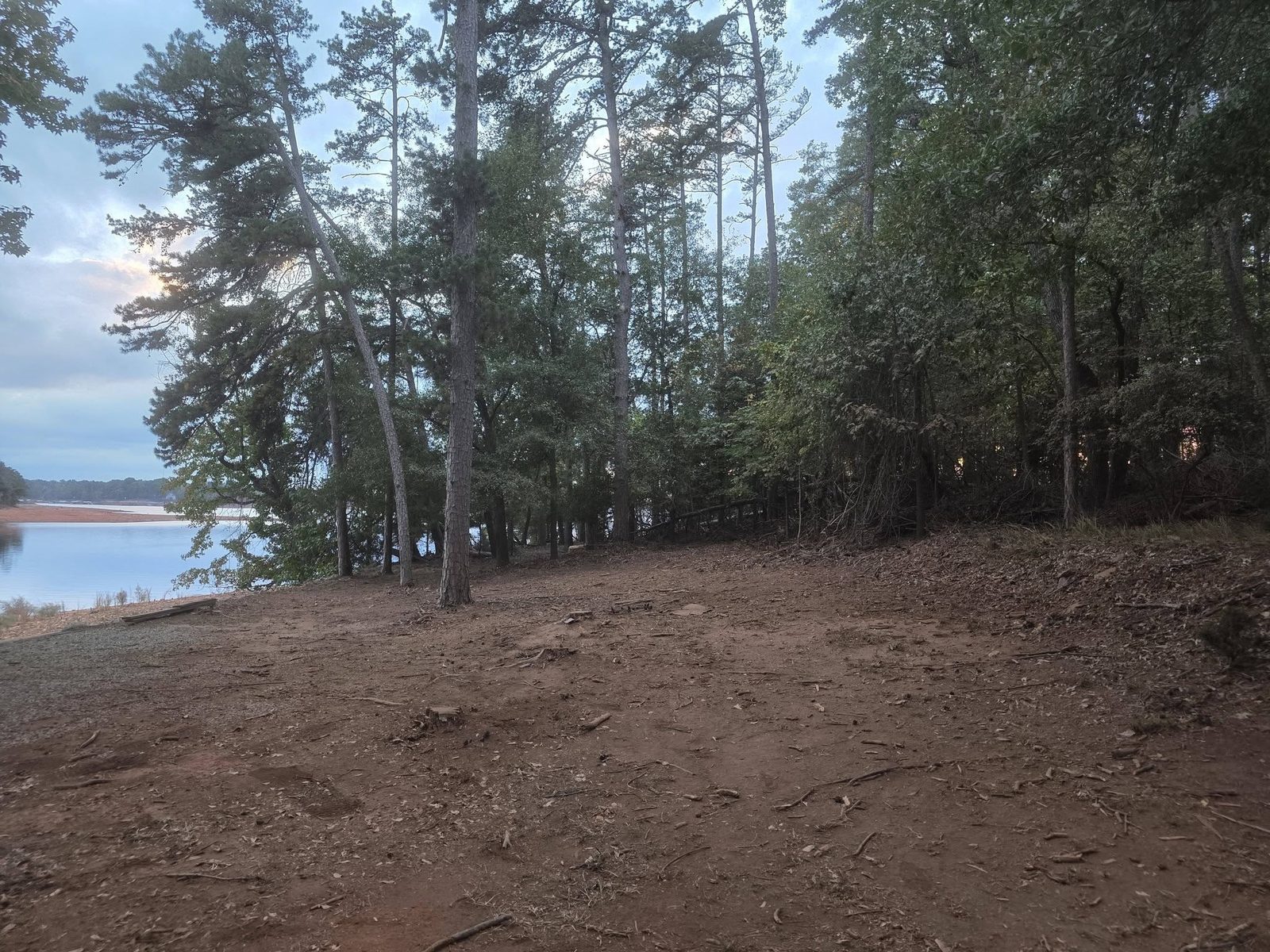
Removal ends at the stump. What you do with it determines what the site looks like over the following years. Left in place, most hardwoods in Upstate SC resprout aggressively from the root crown within a single growing season — water oaks and sweetgums are persistent resprouters. A large stump near a foundation or sidewalk can also continue shifting as the root system dries and contracts. Stump grinding takes the stump below grade and is the cleaner long-term answer for most sites; it can be scheduled alongside the removal or as a follow-up visit shortly after.
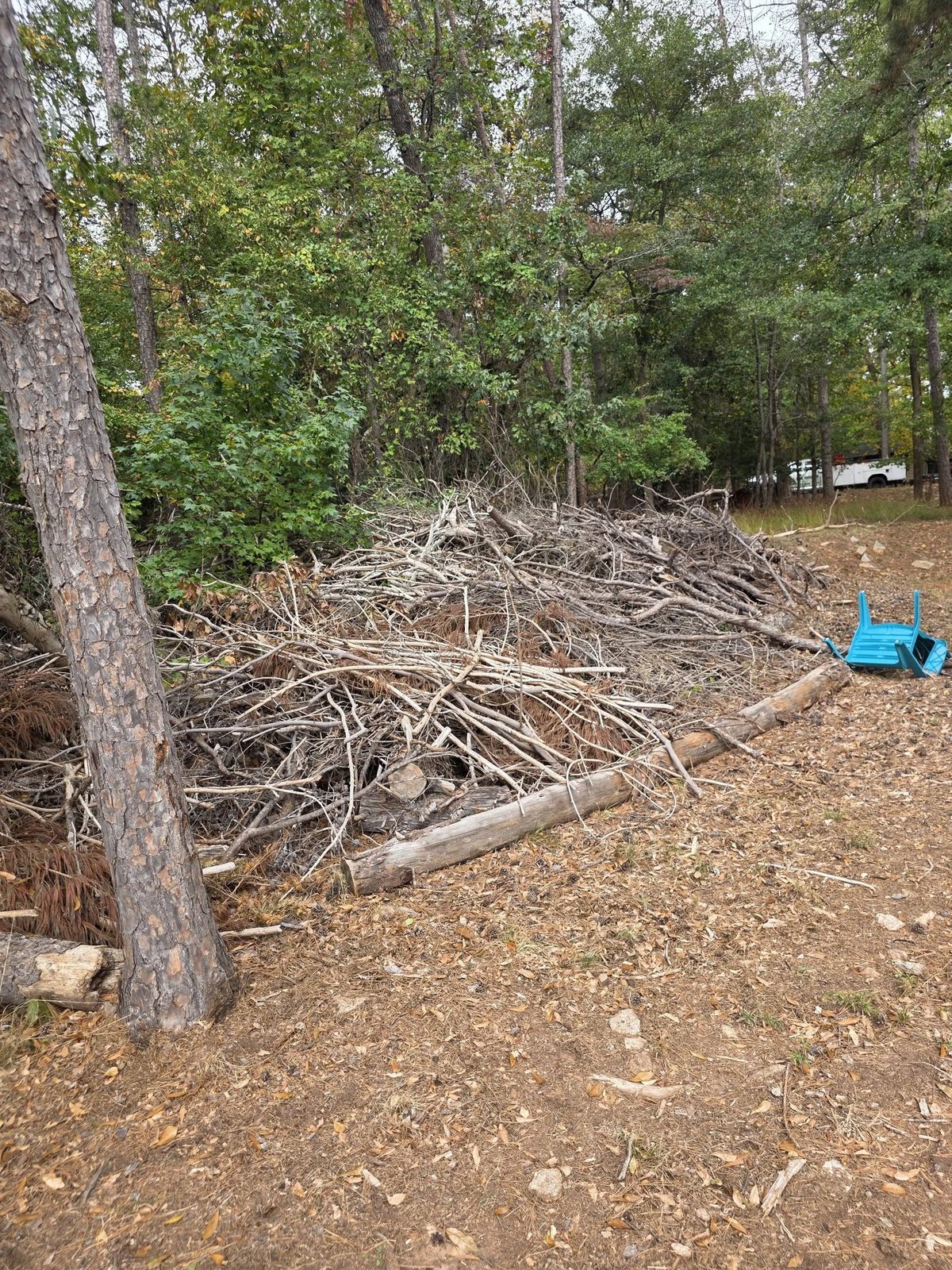
Debris handling varies by crew and by contract. Confirm before work begins whether chipping and haul-away are included in the quote or billed separately. Some homeowners keep the chips for mulch; others want a clean site. Neither choice is wrong, but knowing what is in the quote before the job starts avoids billing surprises on the back end.