Lake Keowee shorelines and foothills slopes read differently than flat-state work
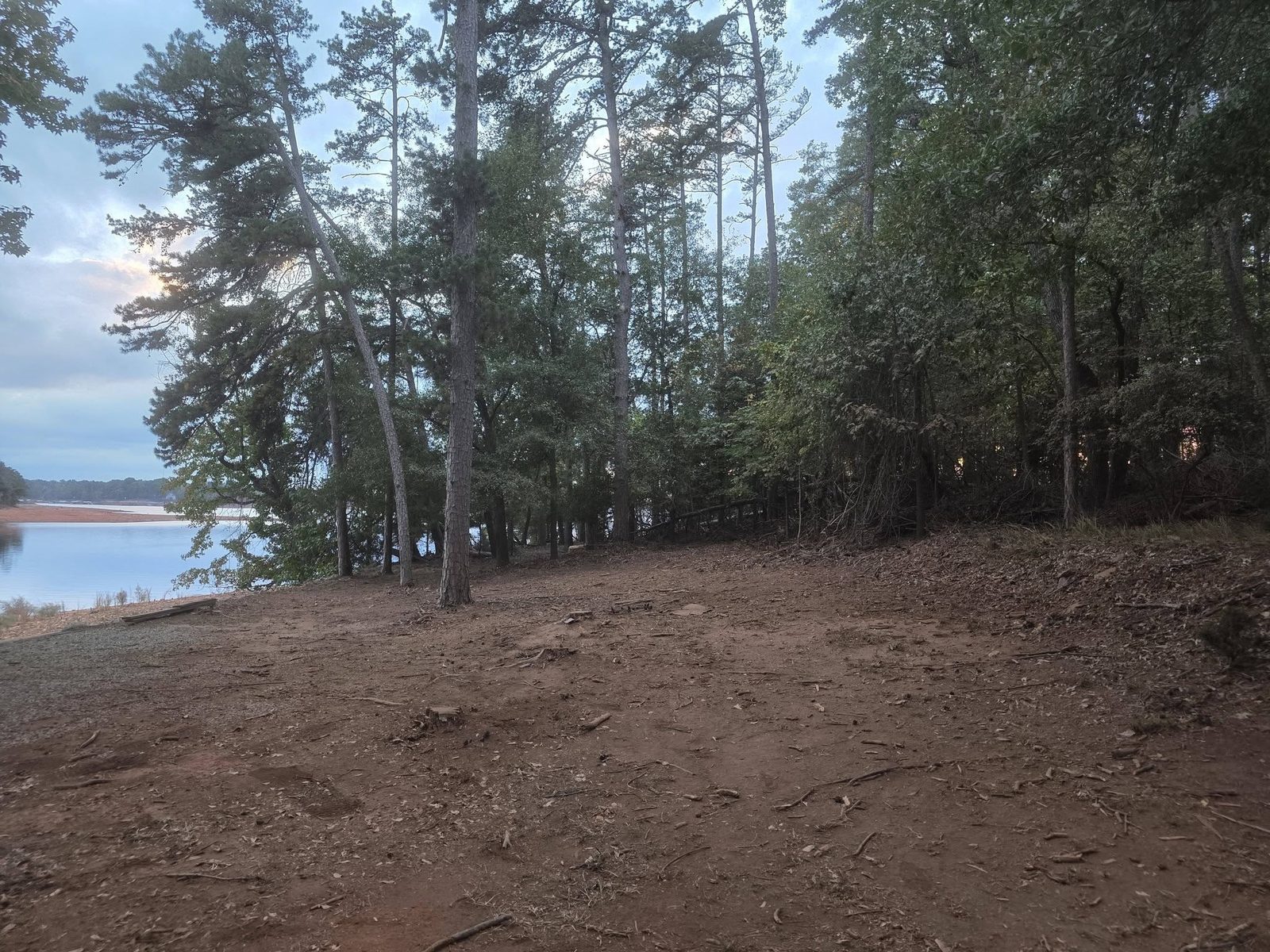
Seneca is Oconee County's county seat, sitting in SC's westernmost corner where the Piedmont gives way to the foothills of the Blue Ridge. That geography shapes every serious tree removal job here in ways that never surface on a quote written without a site visit. A meaningful share of residential work in this county involves either a lakefront lot on Lake Keowee or Lake Hartwell — where a tree may overhang a dock, a seawall, or fall within a Duke Energy shoreline easement — or a steeply graded yard where equipment can't reach the base of the tree and hand-climbing work takes over. Both conditions add time, risk, and cost that flat-state pricing never accounts for.
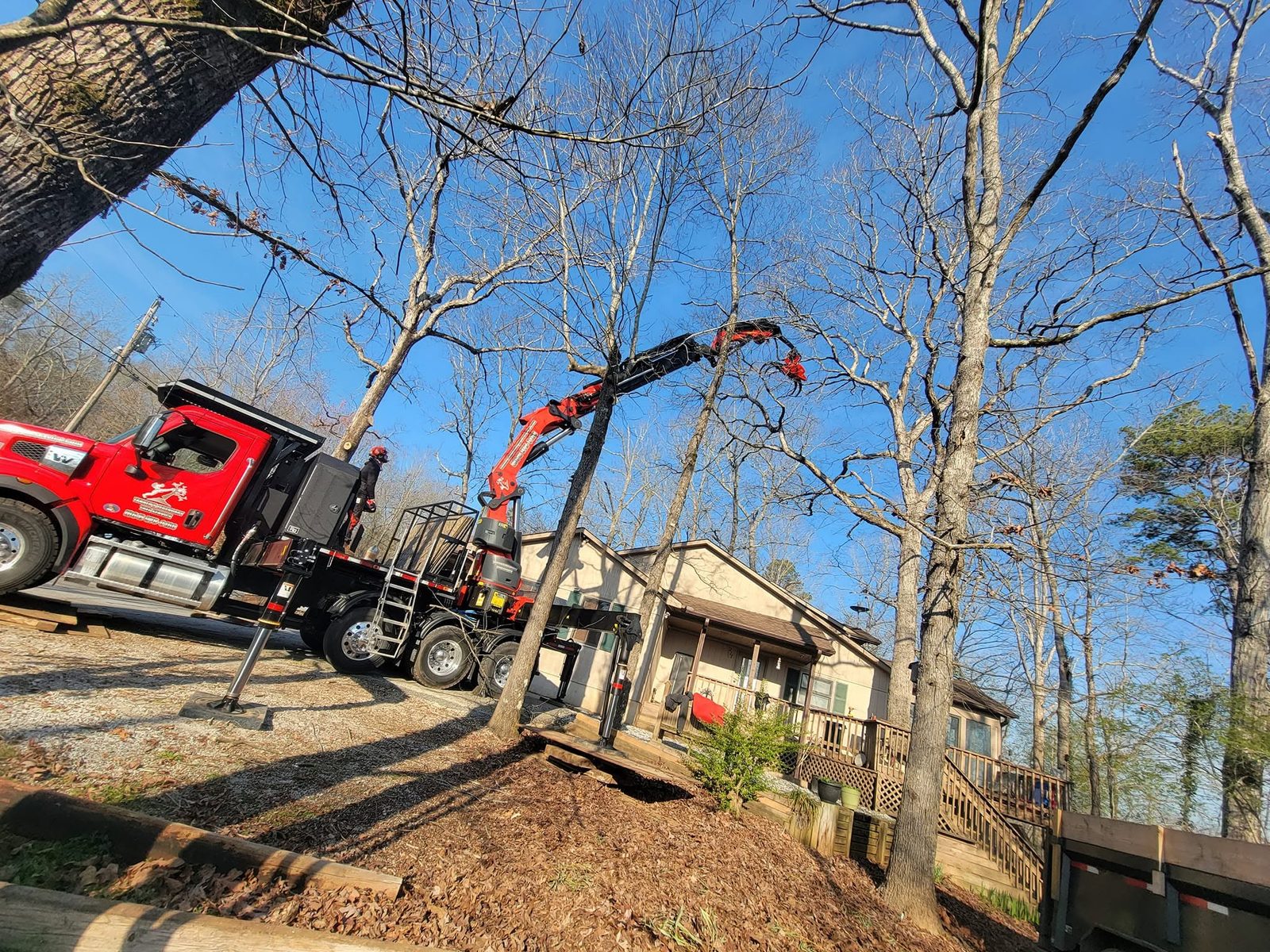
The canopy here also runs large. Loblolly pine, white oak, water oak, and tulip poplar are common across Oconee County, and they produce the kind of mature, heavy-crowned specimens that require a careful on-site assessment before anyone picks up a saw. The housing stock around Seneca and Clemson ranges from established neighborhoods where trees have been growing forty or fifty years to newer lake-access homes surrounded by remnant forest. Each setting carries different risks and different equipment requirements. When you are weighing removal against pruning or cabling, the tree removal overview explains what a thorough scope should include and how that assessment should work.
What removal actually costs in Oconee County
The working range runs $300 to $2,000 per tree for most standard Seneca jobs; see the tree removal cost page for a full breakdown by size, species, and site conditions. The table below maps common scopes to typical Oconee County ranges. The variables that push a job toward the higher end are steep terrain requiring hand-rigging, proximity to a structure or the water, and large trunk diameter that calls for crane-assist work.
| Scope | Typical Range |
|---|---|
| Small tree, open access (<30 ft) | $300–$600 |
| Medium tree, standard yard (30–60 ft) | $600–$1,200 |
| Large tree, full canopy (60+ ft) | $1,200–$2,000 |
| Hazardous, steep slope, or over-water | up to $3,000 |
| Stump grinding (per stump, bundled) | add $75–$250 |
| Brush chipping and haul-off | add $100–$250 |
When comparing bids, the figure to scrutinize is not just the total but what it covers. A quote that excludes stump grinding, brush removal, or any terrain-specific rigging is not a lower price — it is an incomplete scope. One note specific to Oconee County: the terrain survey is not optional. The difference between a medium tree on a flat lot and the same tree on a grade above a lakefront seawall can double the removal cost and change the rigging approach entirely. Any crew that prices from a photo or a phone call, without walking the lot, is guessing at the site variables that drive Oconee County pricing more than anywhere else in the Upstate.
Storm exposure and what it does to Oconee County trees
21 federal disaster declarations have touched Oconee County across the 2004-2026 record, nearly all in the storm, flood, and severe-weather categories. The SC Upstate sits at the intersection of Gulf moisture systems and cold fronts that track south along the Blue Ridge, producing the ice storms and high-wind events the NOAA National Weather Service documents consistently for this region. Those events matter to tree health in ways that are not always visible in the immediate aftermath.
Ice loading is particularly damaging to the mixed hardwood-pine canopy common in Oconee County. A loaded crown can add significant weight to a tree that is not structurally prepared for it, splitting co-dominant stems and cracking main trunks at the base in ways that persist long after the ice melts. A tree that survived multiple major events may have compression cracks at the base, internal cavity, or root separation that only shows up when someone walks the lot. Post-storm calls in Oconee County regularly surface trees that were structurally compromised long before the most recent event triggered a call. The SC Forestry Commission manages public timberland statewide and publishes guidance for private landowners on identifying hazard trees after storm events — a useful resource for anyone who took recent storm damage and is not sure whether remaining trees on the property are still sound.
What to verify before the crew starts
SC requires contractors to hold appropriate licensing once a job crosses applicable thresholds. Verify the crew you are considering through the SC LLR Contractor Licensing Board before work begins — that check takes a minute and filters out unlicensed operators who can leave the property owner holding liability for injuries or damage on their lot.
Three Oconee County-specific questions should follow: ask whether the crew has worked slope lots in this part of the Upstate (many SC companies operate on flat coastal terrain and have never rigged a tree on a 20-degree grade); ask what their protocol is for trees near Duke Energy shoreline easements on Lake Keowee; and ask whether the quote covers stump removal or only the tree itself. The answers separate crews that know this terrain from those who do not. If you are still deciding whether the tree needs removal at all, the Clemson Cooperative Extension Home and Garden Information Center publishes hazard-tree assessment resources specific to SC species and growing conditions — a practical first read before committing to a scope or calling anyone for an estimate.
Stumps, cleanup, and what happens after the tree comes down
Removal ends when the tree is on the ground. What happens next depends on what you confirmed in the quote, and that is worth settling before anyone arrives with equipment. Most Oconee County homeowners bundle stump grinding with the removal, and that is usually the right call: the grinder mobilizes alongside the removal crew, a fresh stump is easier to work than one that has had a season to harden, and you pay one trip charge instead of two. The stump grinding page covers how deep grinding typically runs, what to do with the resulting mulch pile, and when a full root extraction makes more sense than grinding flush.
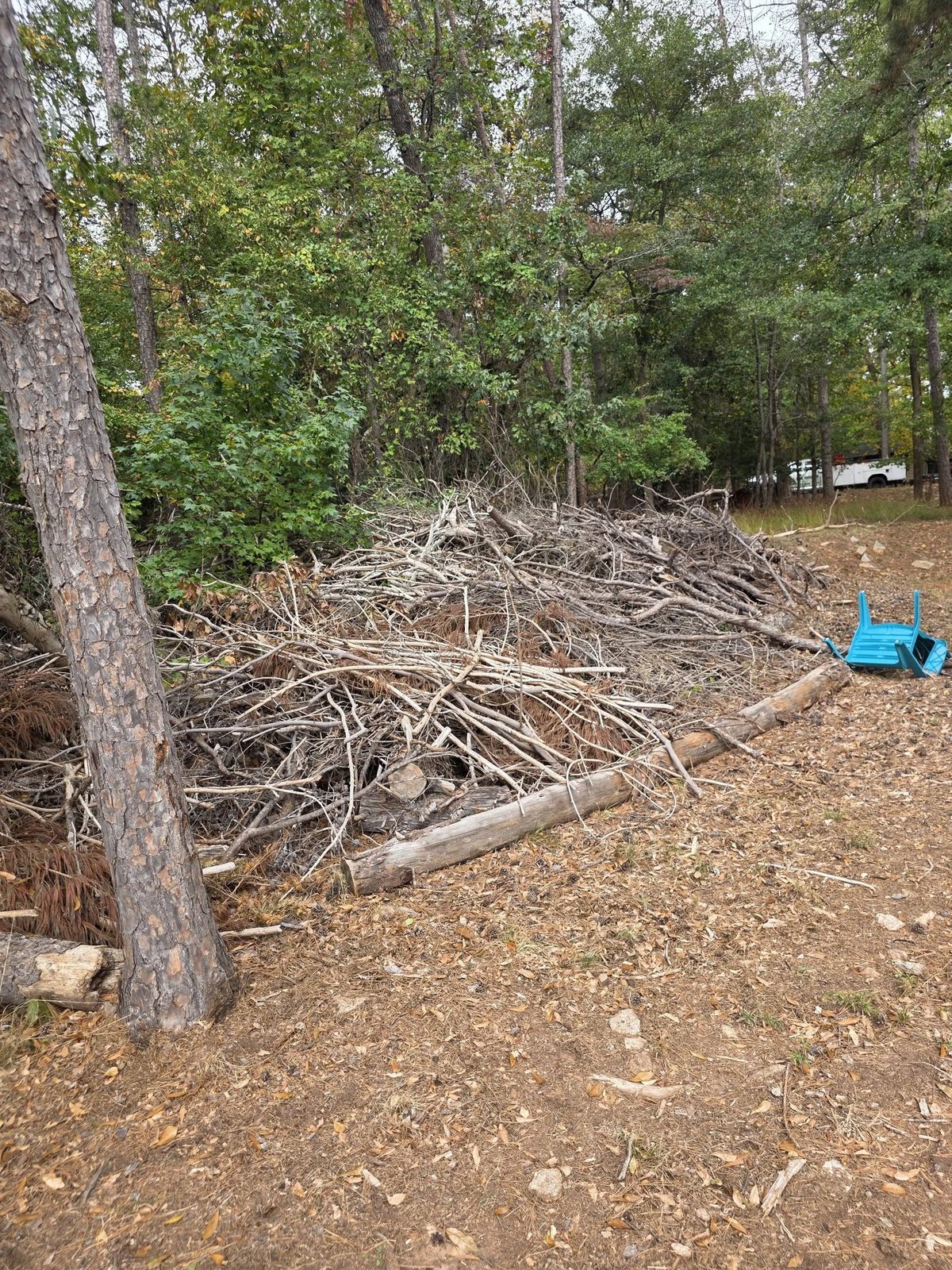
Brush and wood disposal is the other decision point. Rounds can stay on-site for firewood, go through the chipper, or be hauled off. For lakeshore lots, some HOAs and shoreline management requirements restrict what can remain near the waterline or on a Duke Energy easement. Confirm those rules with your HOA or the county before the crew loads out — it is easier to adjust the scope before the job than to manage a callback afterward.